Author: Ayyappan Nair

  • It’s Never Too Late…

    What life lesson did you learn too late?

    View all responses

    For a long time, I believed the things that matter most came with deadlines. There was a time to apologize, a time to change, a time to chase the life you wanted. Once that time passed, I assumed the door had closed for good.

    So I carried things: conversations I never had, apologies I rehearsed in my head but never spoke, dreams I filed under “someday” and quietly relabeled “never.” Believing it was too late felt safer than trying and finding out.

    The lesson I learned too late is that it’s never too late.

    It’s never too late to learn. Curiosity doesn’t expire, and neither does the ability to grow. What I thought I’d missed my chance to understand was waiting for me the moment I decided to begin.

    It’s never too late to make amends. Some of the people I hurt had moved on, and some hadn’t. Either way, an honest “I’m sorry” is never wasted. It lightens the one who gives it and sometimes opens something in the one who receives it. I can’t rewrite the past, but I can own it.

    It’s never too late to forgive. Forgiving the people who hurt me doesn’t mean forgetting what happened. It means I stop letting it set the terms of my life, while still remembering what it taught me.

    It’s never too late to move forward. Not every day since has gone smoothly. Some days I still look back at the years I lost and feel the weight of them. But regret doesn’t have to be a place I live. It can point me toward where to go next.

    That’s why this space exists. If you’re reading this and thinking it’s too late for me, I wrote this for you. Whatever you’re carrying, whatever you wish you’d done sooner, today is still a good day to start.

    Learn. Make amends. Forgive. Move forward.

    It’s never too late to tread lightly.
  • Freedom to live a life I wish to live….

    How do you define success in life?

    I used to think success was something I would earn and then own. I no longer think that. If success is the freedom to do what I want to do, then I have to admit how much of that freedom was handed to me, and it began with my parents.

    They educated me, often at a cost I only understood years later. They gave up comforts I never saw them give up, so that I could sit in a classroom and learn. Education was the first door they opened, and nearly every door since has been behind it. But they gave me something even more generous – the freedom to choose. They never insisted I live the life they imagined. They let me discover what I wanted, trusted me to build it, and stood behind me when I wavered. Not every child is given that trust. I was, and I don’t take it lightly.

    That freedom has mattered most in the hard moments. Not every experience in my life has been kind. There were setbacks, disappointments, and situations that hurt. But I learned that I was not required to stay inside them. Being free means being able to walk away from what harms me, to step out of a bad situation, and to turn what happened into something useful. I can’t change the past, but I can decide what it becomes – a lesson, a boundary, a reason to be gentler with someone else. Moving toward a positive outcome is not denial of the pain. It is the proof that I’m not enslaved by it, and I owe that ability to the foundation my parents gave me.

    Others helped too. A teacher stayed late when she had no reason to. A friend’s belief, at a moment when I had little of it. Strangers made decisions in rooms I never saw that happened to land in my favor. I worked hard, but so do many people whose circumstances never opened the same doors. Luck and timing sit quietly behind almost everything I’m tempted to call my own doing. I have realized that things happen for a reason and that reason is mainly to learn from it.

    That is why I hold this definition of success loosely. Freedom to choose my work, my company, and my pace feels less like a prize and more like a gift I’m responsible for. It would be easy to treat it as proof that I’m special. It’s more honest to treat it as proof that I was loved and supported.

    I also know I haven’t finished. Life is strange that way – the finish line can never be predicted. There are days I still don’t know what I want, and days I choose badly. Freedom doesn’t make me wise; it only gives me room to learn, and I’m grateful for that room too. I try to say “I was wrong” and “can you show me?” without flinching, because those words have taught me more than any achievement has.

    If this is success, then its best use is to honor those who made it possible – to live the life my parents made room for, to make a door easier to open for someone else, and to remember who stayed late for me. I didn’t build this life alone, and I hope I never start acting as though I did.

  • Live and let live

    If you had to sum up your life philosophy in one sentence, what would it be?

    View all responses
  • Birds….

    Birds….

    Share a few recent shots from your camera roll, no context needed.

    View all responses
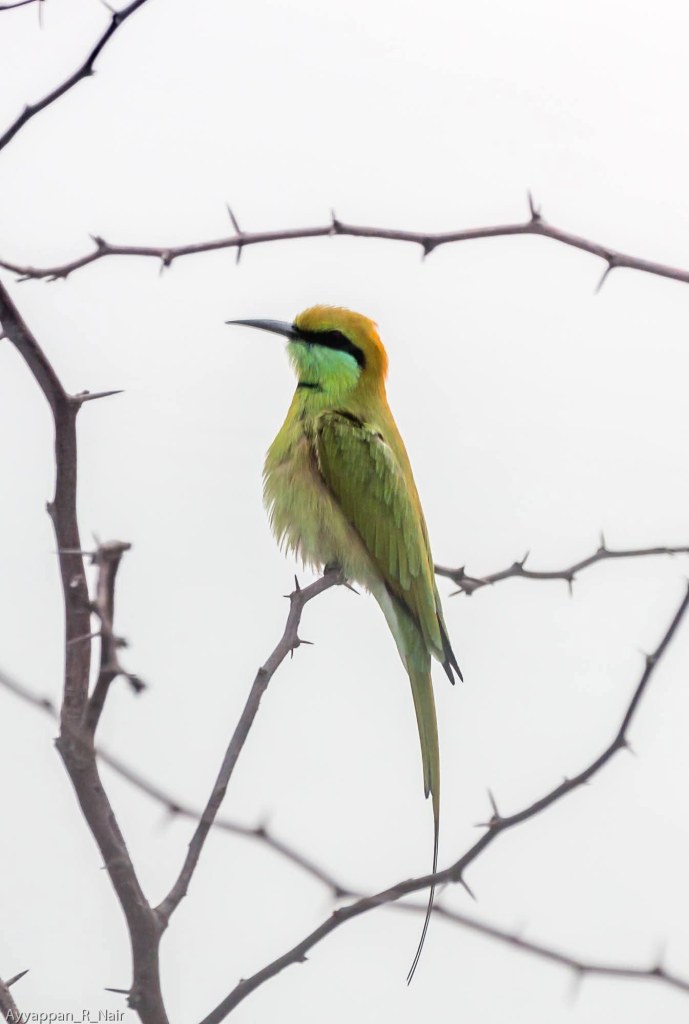
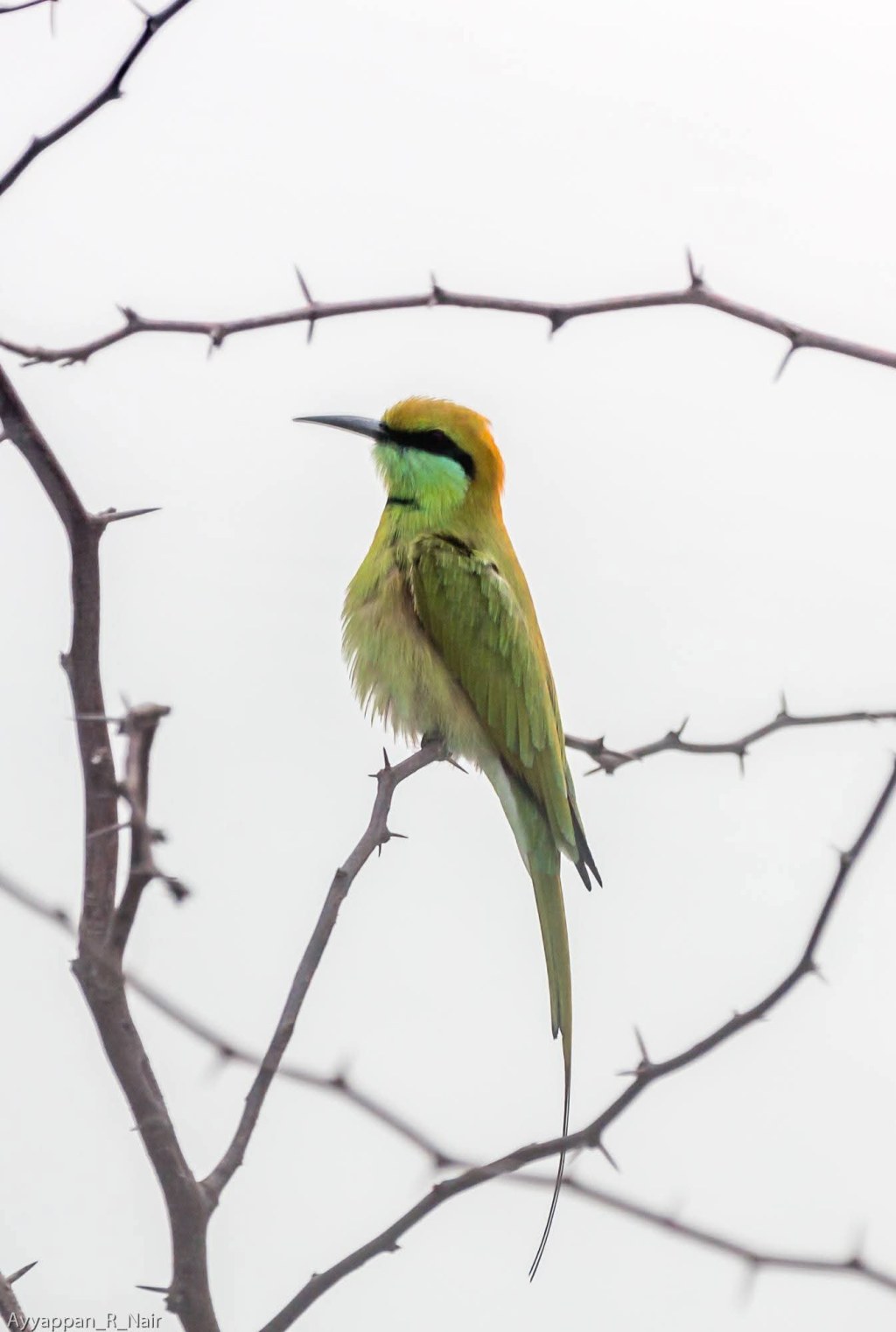
    Eurasian Bee-eater
    Eurasian Bee-eater 
    Asian Bee-eater
    Asian Bee-eater 
  • Leave Only Footprints

    What’s one piece of travel advice you always follow?

    View all responses

    When we travel, we become guests in someone else’s home, and the oldest rules of hospitality still apply. Of all the advice offered to travelers, two principles matter most – respect the people who live there, and leave the place as you found it.

    Respect begins with accepting that “different” does not mean “wrong.” Removing shoes at a doorway, waiting before answering a question, or eating with the right hand may seem alien to a visitor, but each custom carries a history and a meaning that locals have lived with for generations. A traveler who judges these practices by home standards misses the point of leaving home at all. Curiosity is the better response. Asking “why do you do this?” with genuine interest usually opens doors that a camera never will, and when a custom truly can’t be followed, a polite explanation goes a long way.

    The second duty is physical rather than social. Litter is the most visible mark a tourist leaves, and it lands hardest on the people who stay behind. A wrapper dropped on a mountain trail or a bottle left on a beach doesn’t disappear when the traveler flies home. Local communities, who often have fewer resources for waste collection, end up bearing the cost of a visitor’s convenience. Carrying trash until you find a proper bin is a small effort with a large effect.

    These two duties are really one idea: the places we visit belong to someone. Their people deserve dignity, and their land deserves care. A traveler who honors both returns home with richer memories, and the community is glad to welcome the next visitor.